The Design Language
Sergio Rodrigues & Ricardo Fasanello
Not decoration — the actual reason every unit looks the way it does
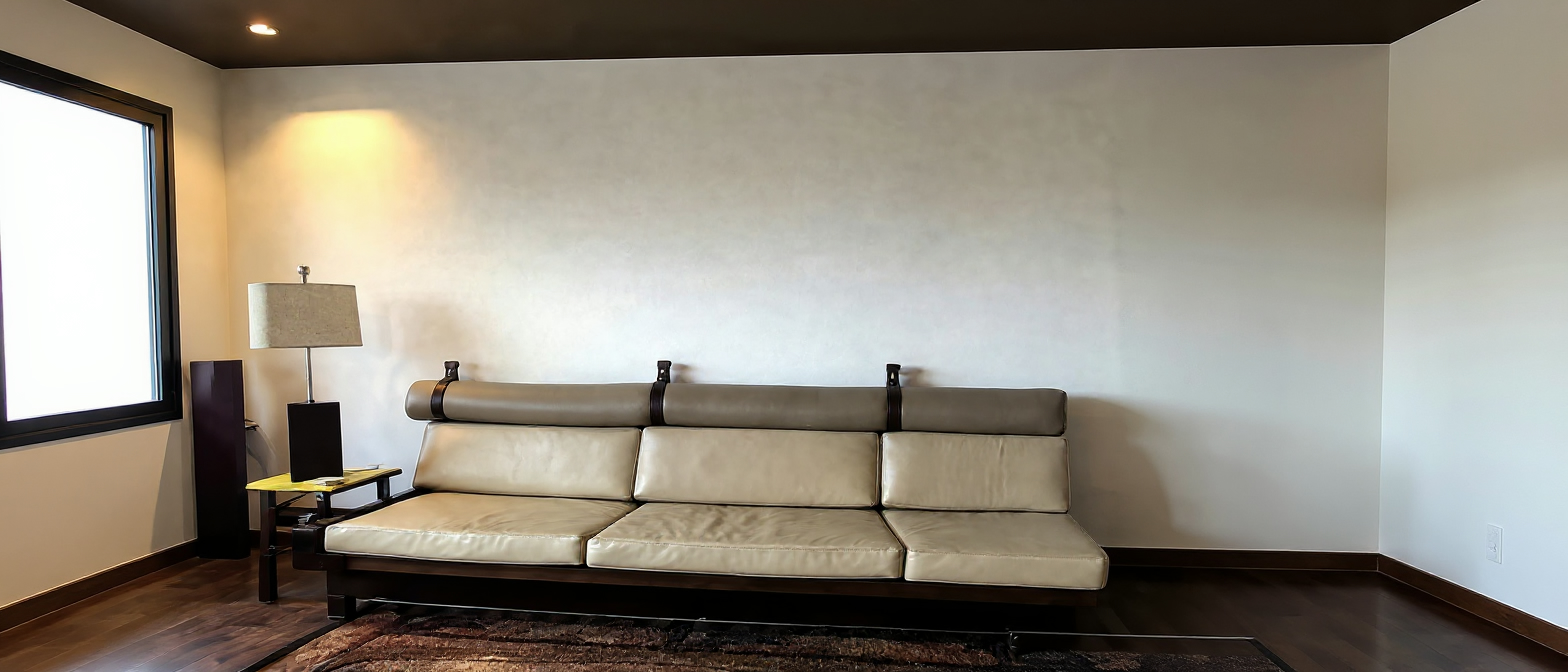
Real photo, AI-widened for this banner crop (same sofa and room — nothing added or changed).
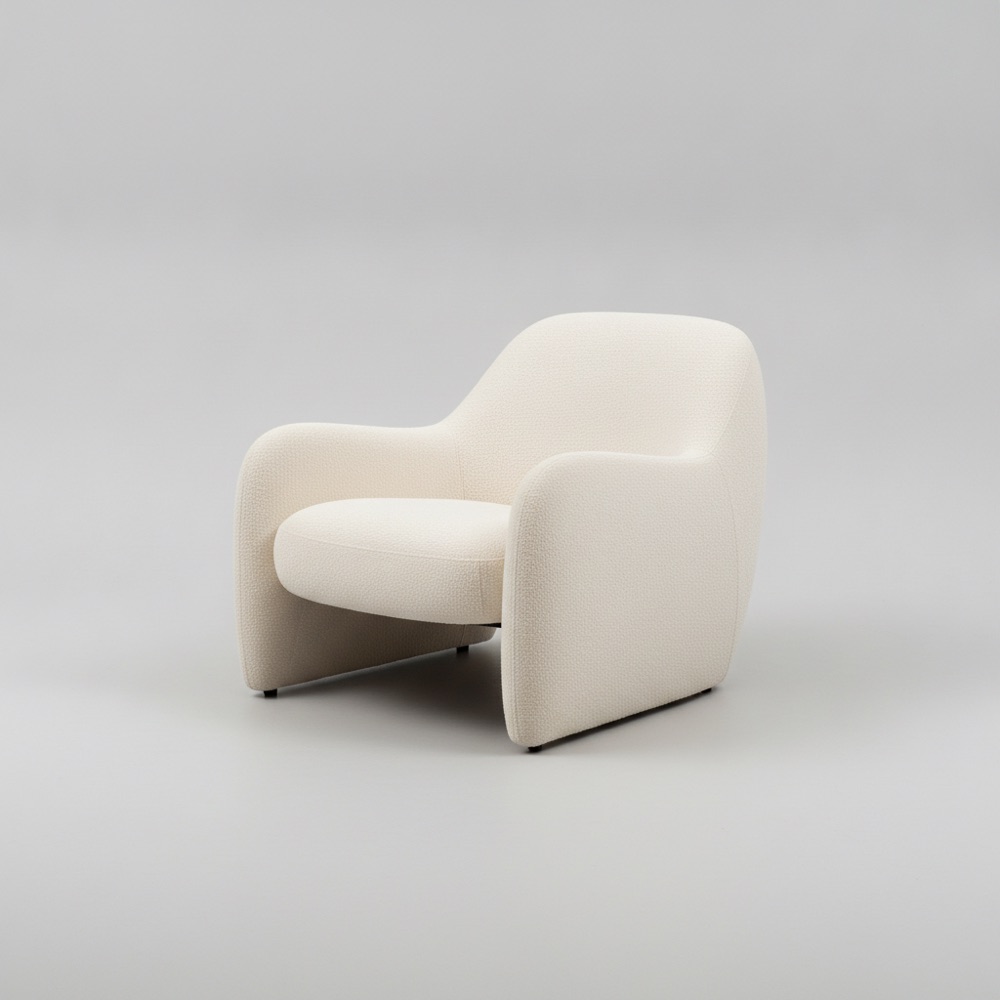
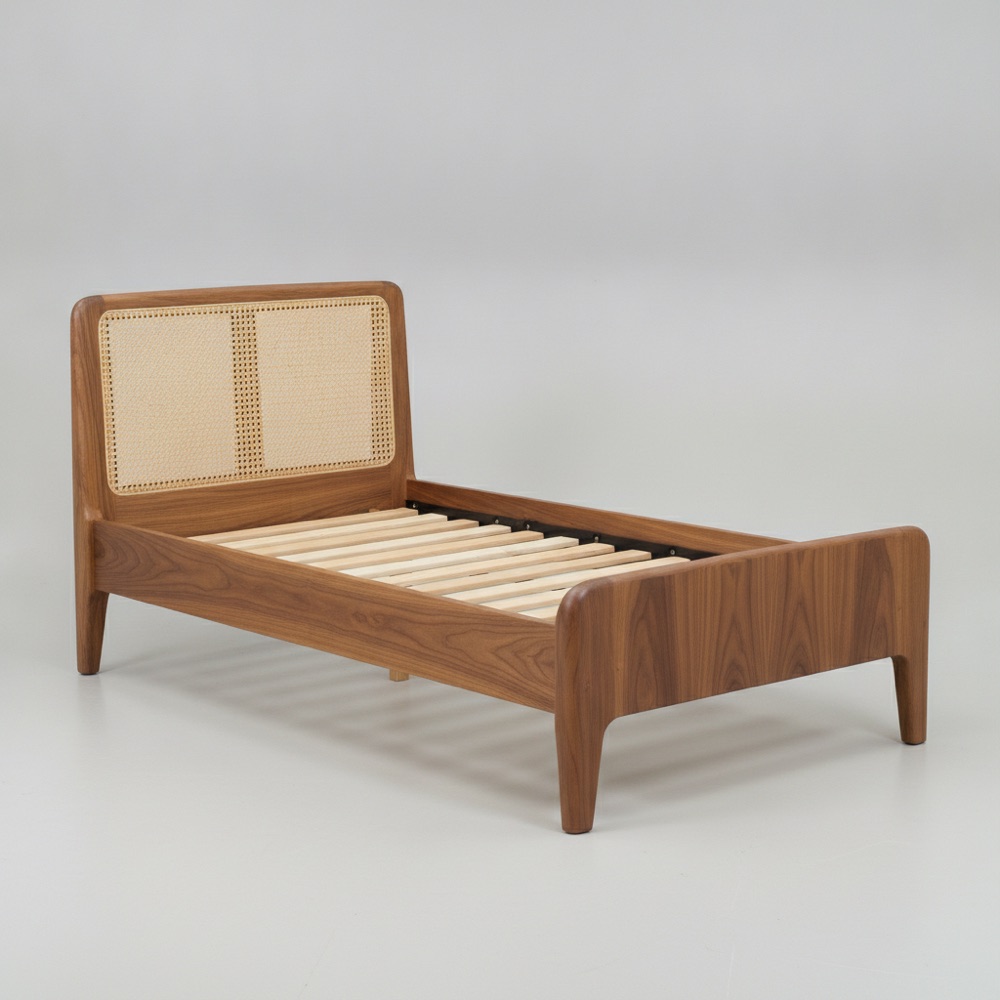
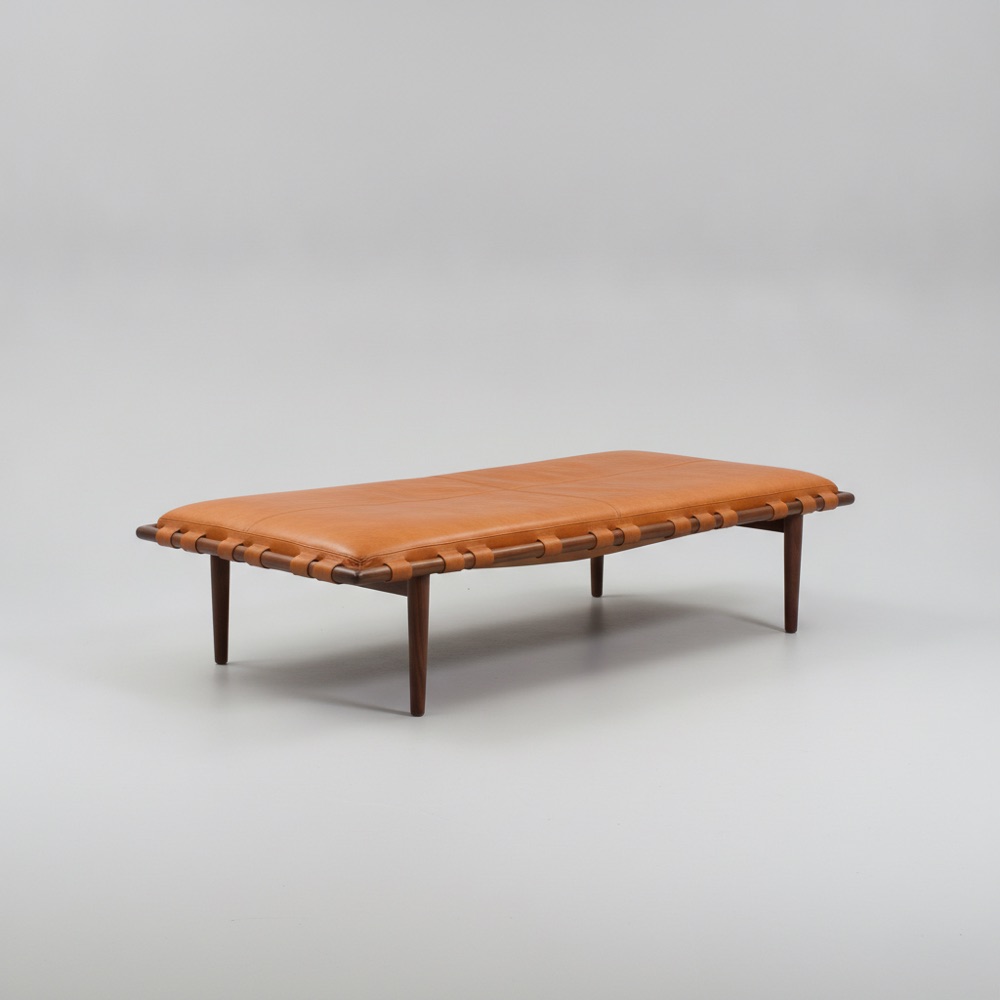
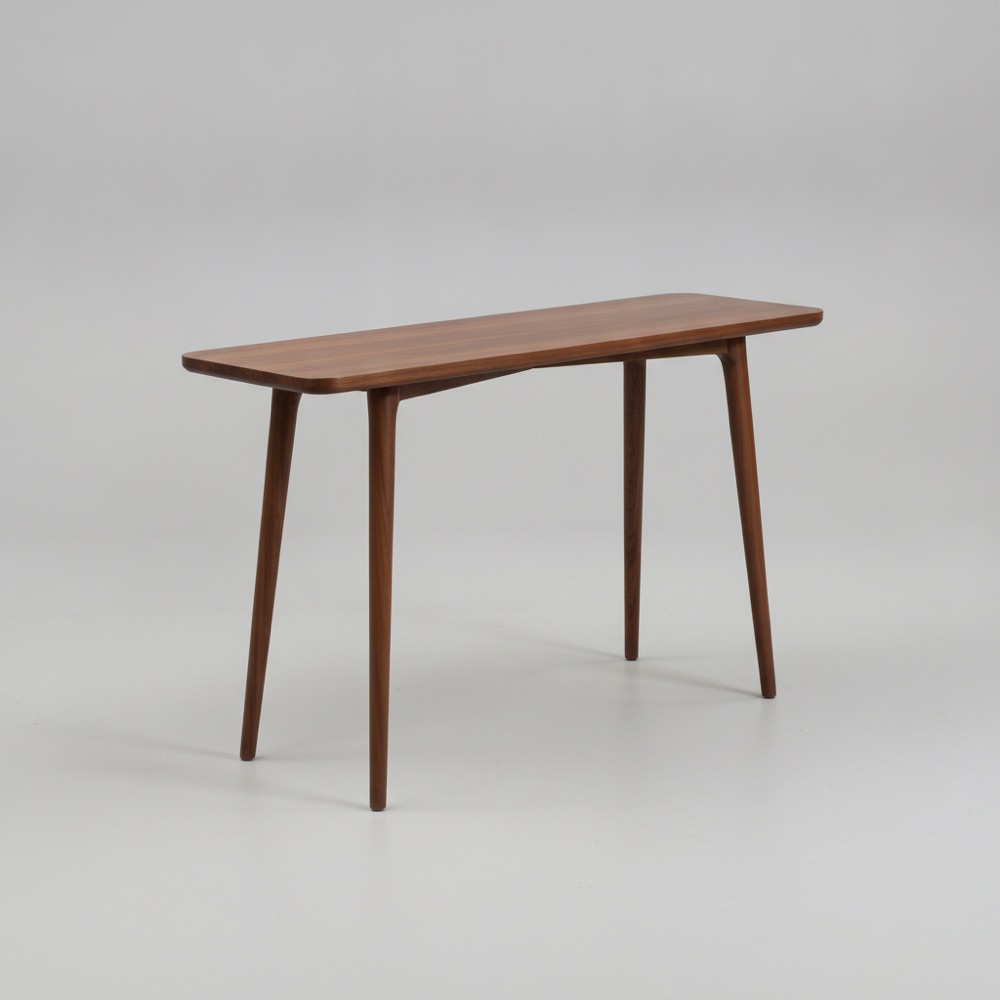
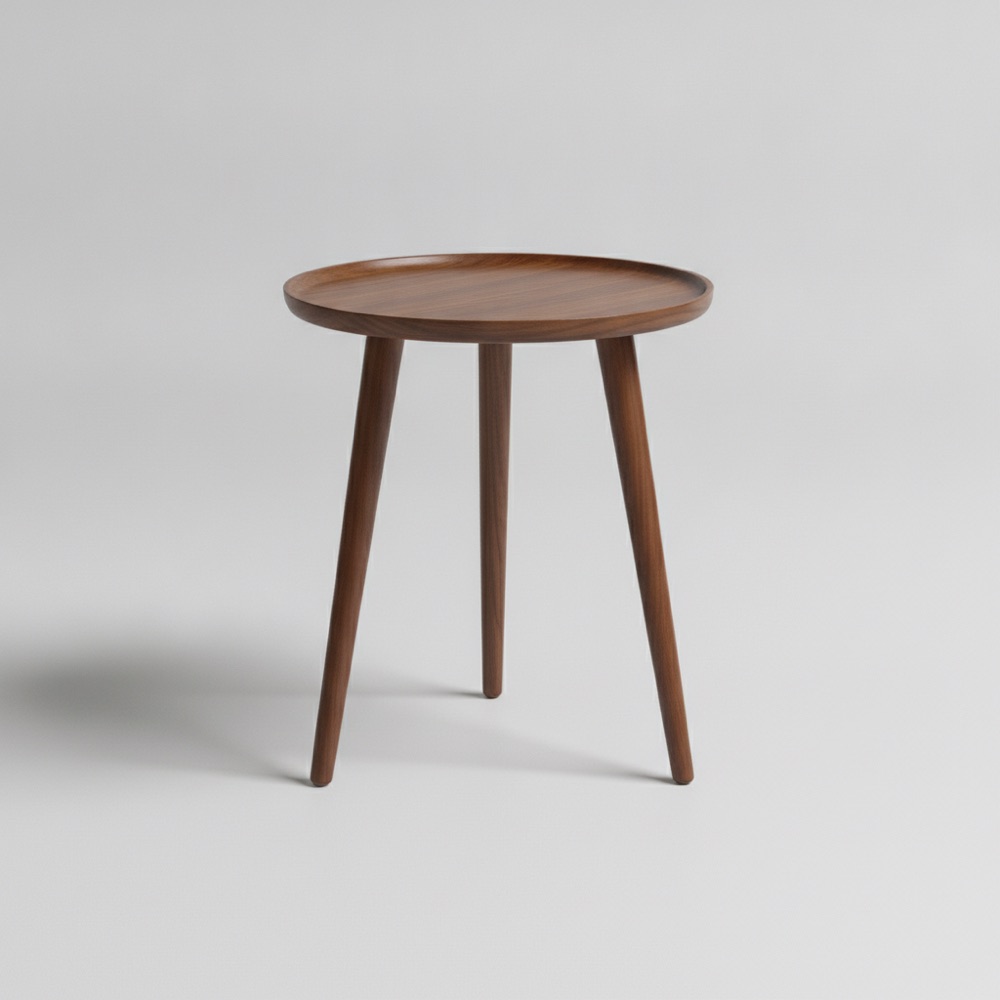
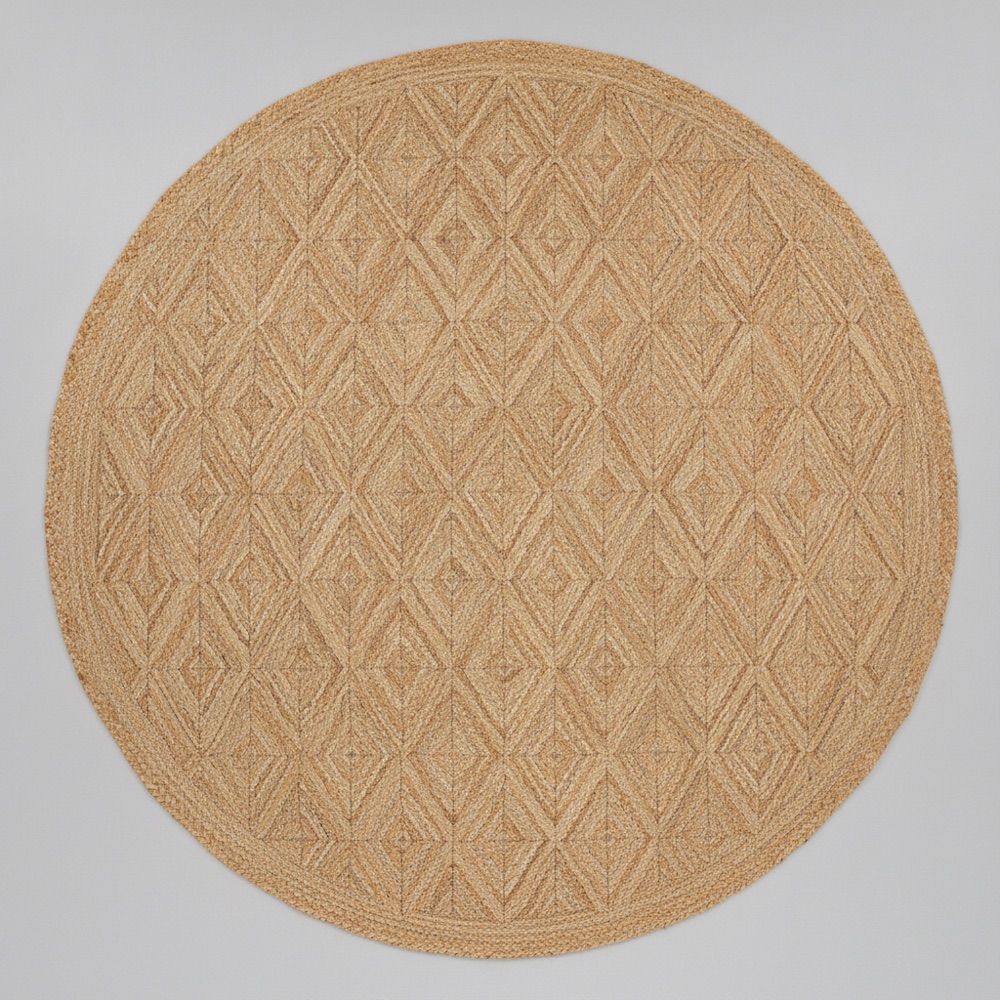
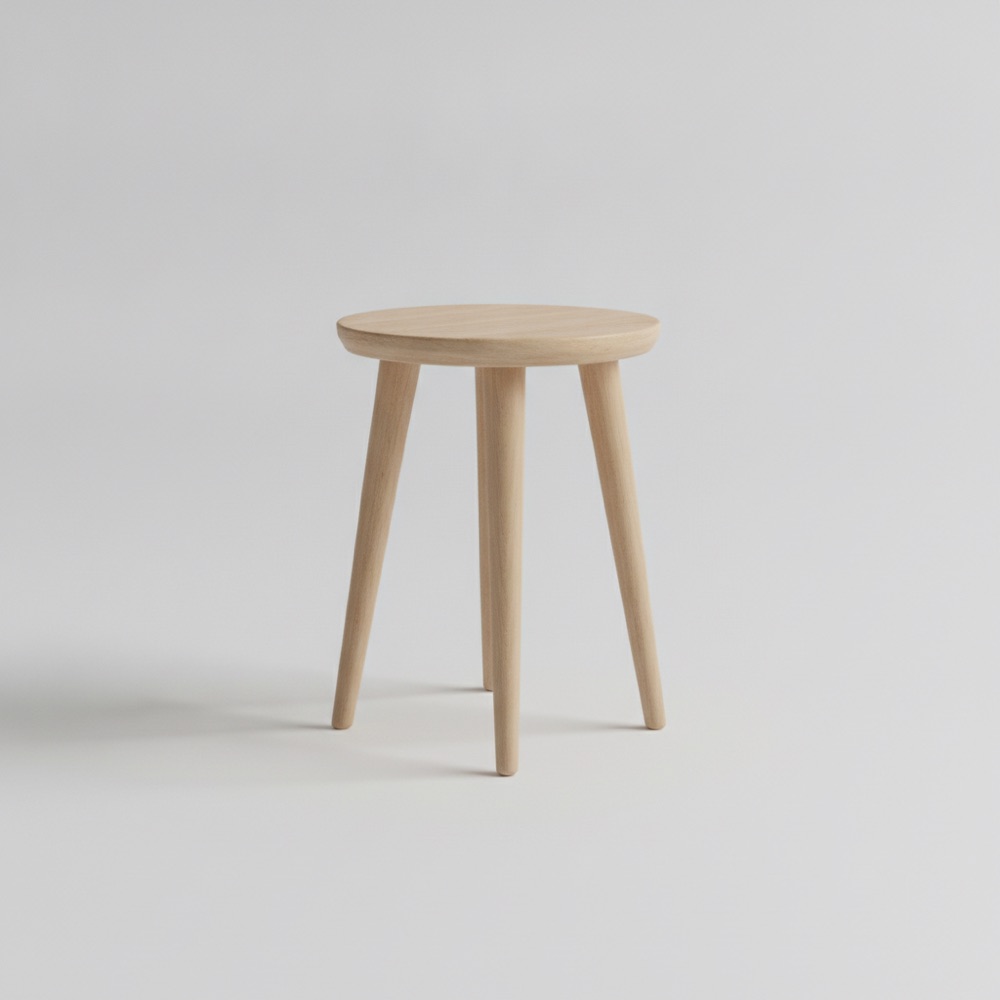
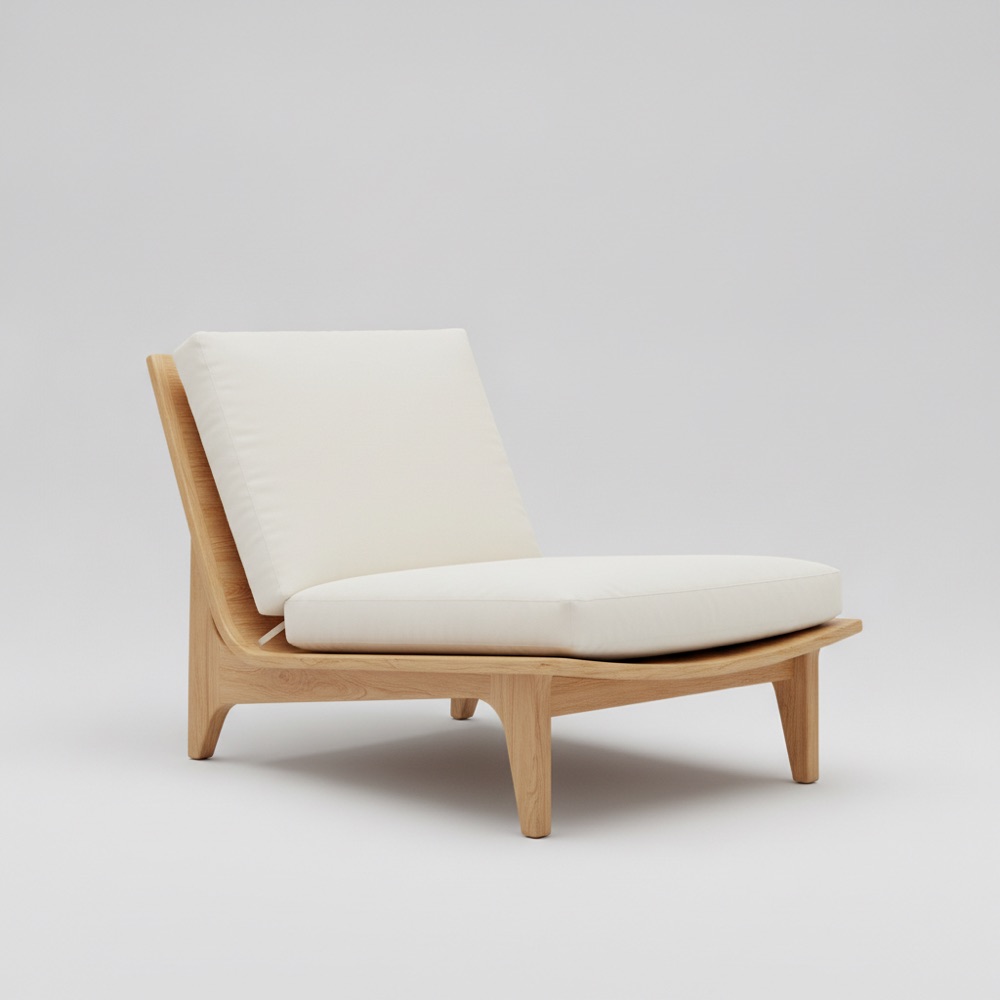
The penthouse's furniture already speaks a specific vocabulary: warm native wood, leather and cane, sculptural forms built to be sat in, not just looked at. That vocabulary has names attached to it — and naming it is what makes it repeatable across all eight units, instead of one lucky room.
Named the father of Brazilian furniture. Designed the Mole armchair (1957) — recognized internationally at the 1961 Cantù competition in Italy — along with the Kilin and Oscar chairs. Worked almost entirely in native Brazilian hardwoods (jacaranda, imbuia, peroba, tauari), leather and cane, explicitly reacting against imported, rigid European modernism to build a furniture identity that read as Brazilian. Organic curves, low-slung, generous proportions — furniture meant to be lived in.
Came to furniture from race-car and boat design, and it shows — pieces like Esfera, Anel and Gaivota are more geometric and sculptural than Rodrigues, closer to sculpture than conventional furniture. Mixed steel, fiberglass and resin with leather and wood at a time when few Brazilian designers used synthetic materials at all.
Fasanello's own studio was based in Santa Teresa — the same neighborhood as Largo do Curvelo. This isn't a borrowed aesthetic dropped in from outside; it's the design language of the neighborhood these buildings actually sit in. The penthouse already carries it — a sculptural swivel lounge chair, a mustard biscuit-backed roll armchair, a dark wood-slat ceiling, a long solid dining table — and the seven mid-market units, five minutes away, are being restored into the same vocabulary, not a generic refresh.